Athlete's foot
Athlete's foot is a common fungal infection that affects the feet. You can usually treat it with creams, sprays or powders from a pharmacy, but it can keep coming back.
Symptoms of athlete's foot
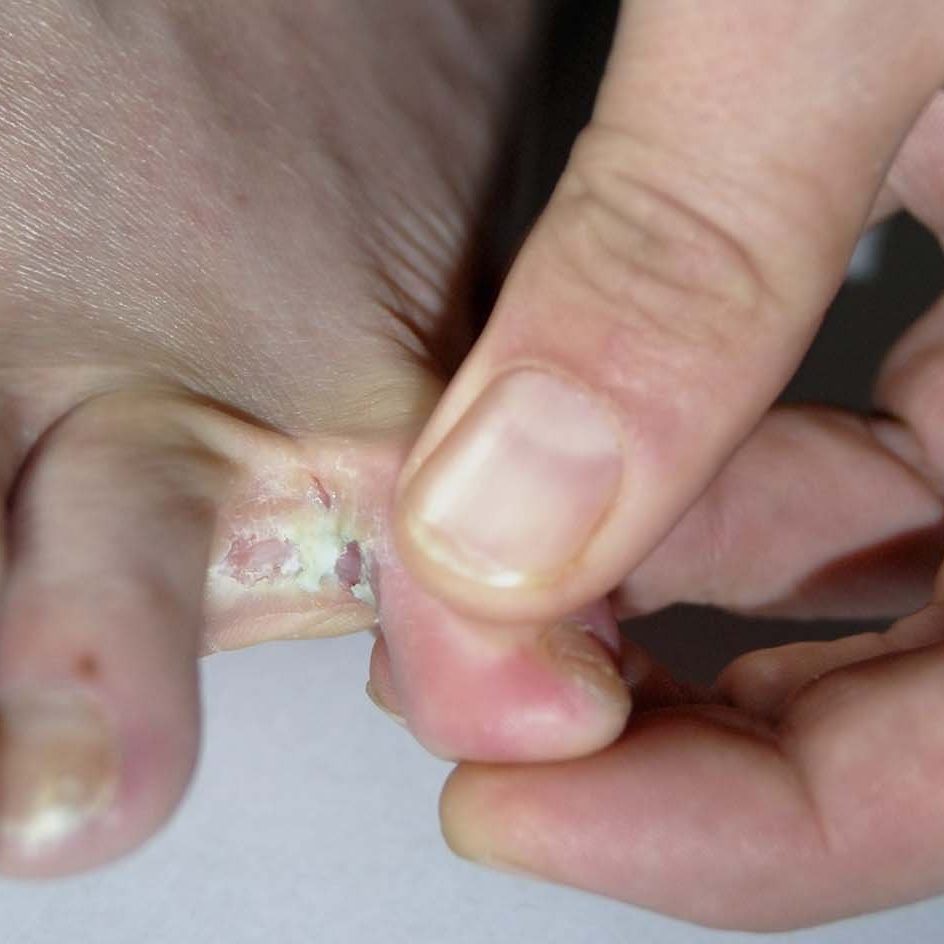
One of the main symptoms of athlete's foot is itchy white patches between your toes.
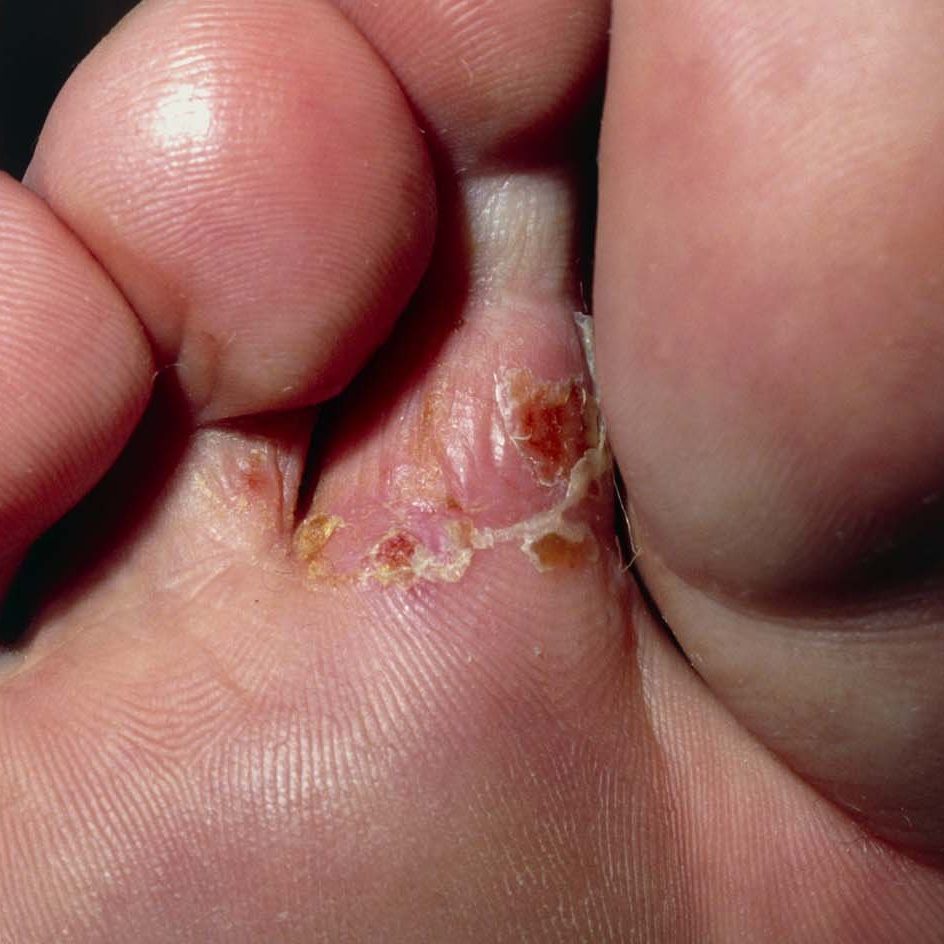
The skin can look red, but this may be less noticeable on brown or black skin.
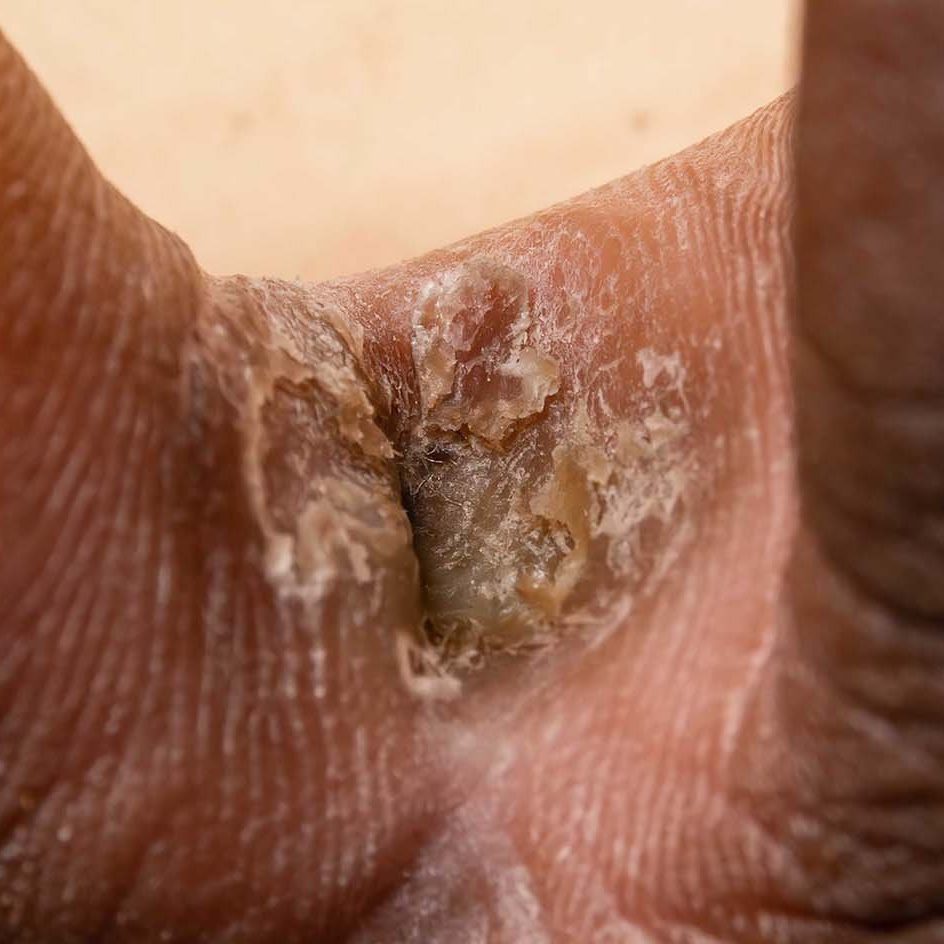
It can also cause sore and flaky patches on your feet.
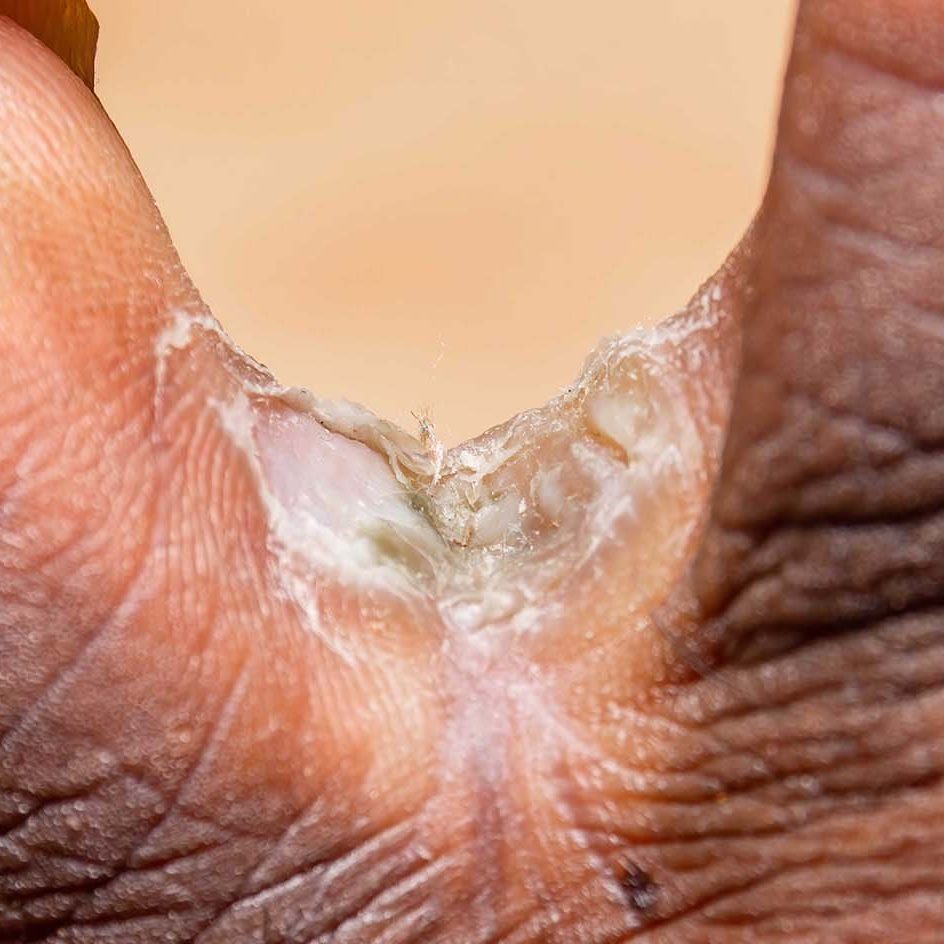
Athlete's foot can also affect your soles or sides of your feet. It sometimes causes fluid-filled blisters.
Things you can do if you have athlete's foot
You can keep using some pharmacy treatments to stop athlete's foot coming back.
It's also important to keep your feet clean and dry. You do not need to stay off work or school.
Do
- dry your feet after washing them, particularly between your toes – dab them dry rather than rubbing them
- use a separate towel for your feet and wash it regularly
- wear clean socks every day – cotton socks are best
Don’t
- do not scratch affected skin – this can spread it to other parts of your body
- do not walk around barefoot – wear flip-flops in places like changing rooms and showers
- do not share towels, socks or shoes with other people
- do not wear the same pair of shoes for more than 2 to 3 days in a row
- do not wear shoes that make your feet hot and sweaty
“Banish Fungal Nails: Restore Your Confidence!”
You may have a fungal nail infection if your nail is brittle, discoloured or thicker than usual. These types of infections are not serious but they can take a long time to treat.
Symptoms of a fungal nail infection
Fungal nail infections usually affect your toenails, but you can sometimes get them on your fingernails, too.
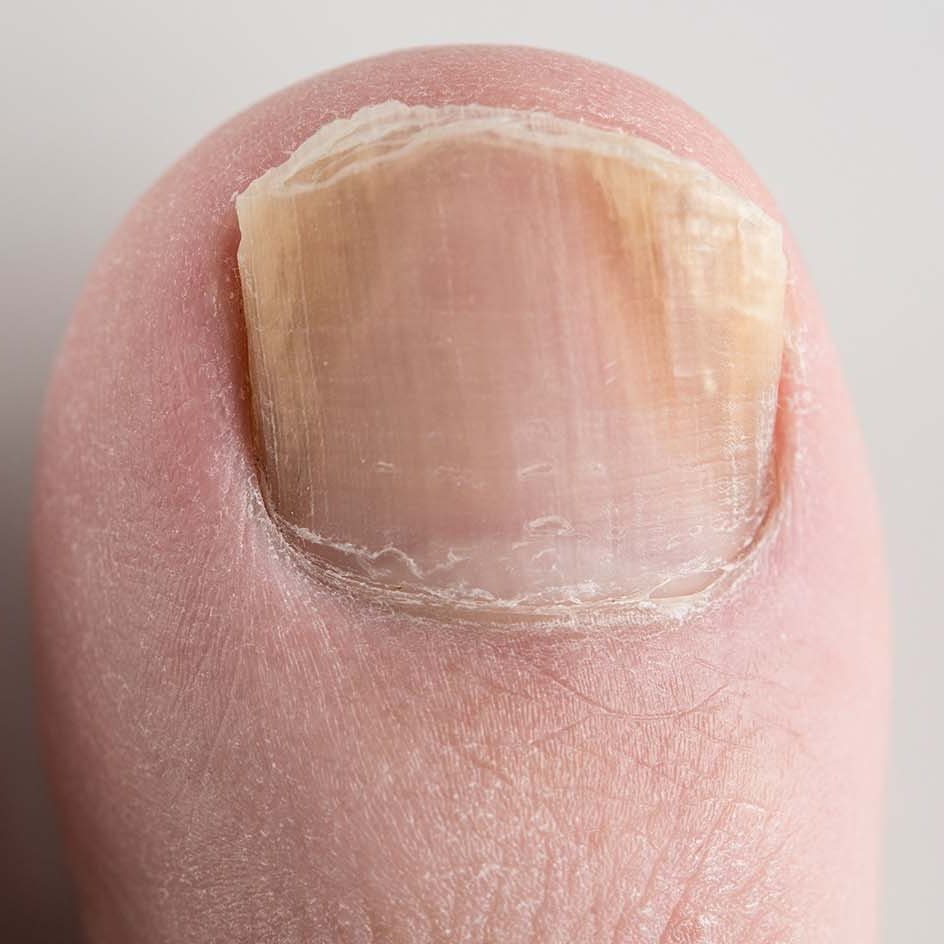
Beware the Edge: Fungal Nail Infections Begin There!
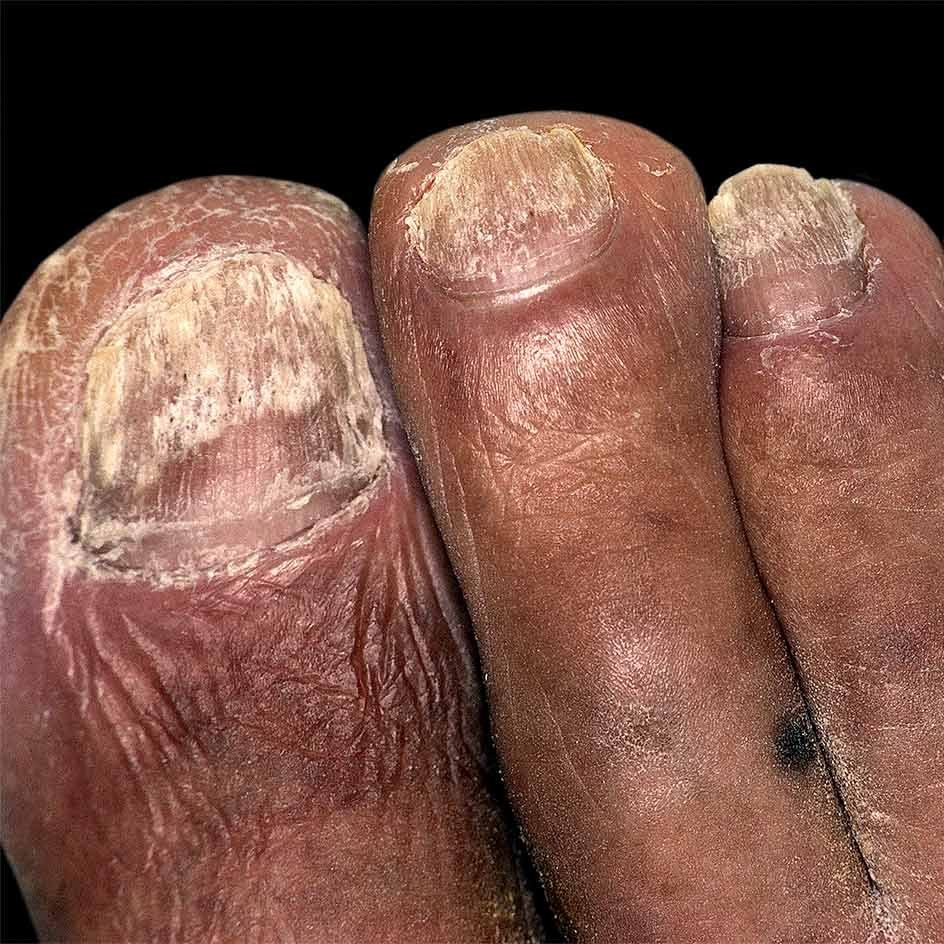
The infection often spreads to all of the nail, making it thicker and turning it white or yellow.
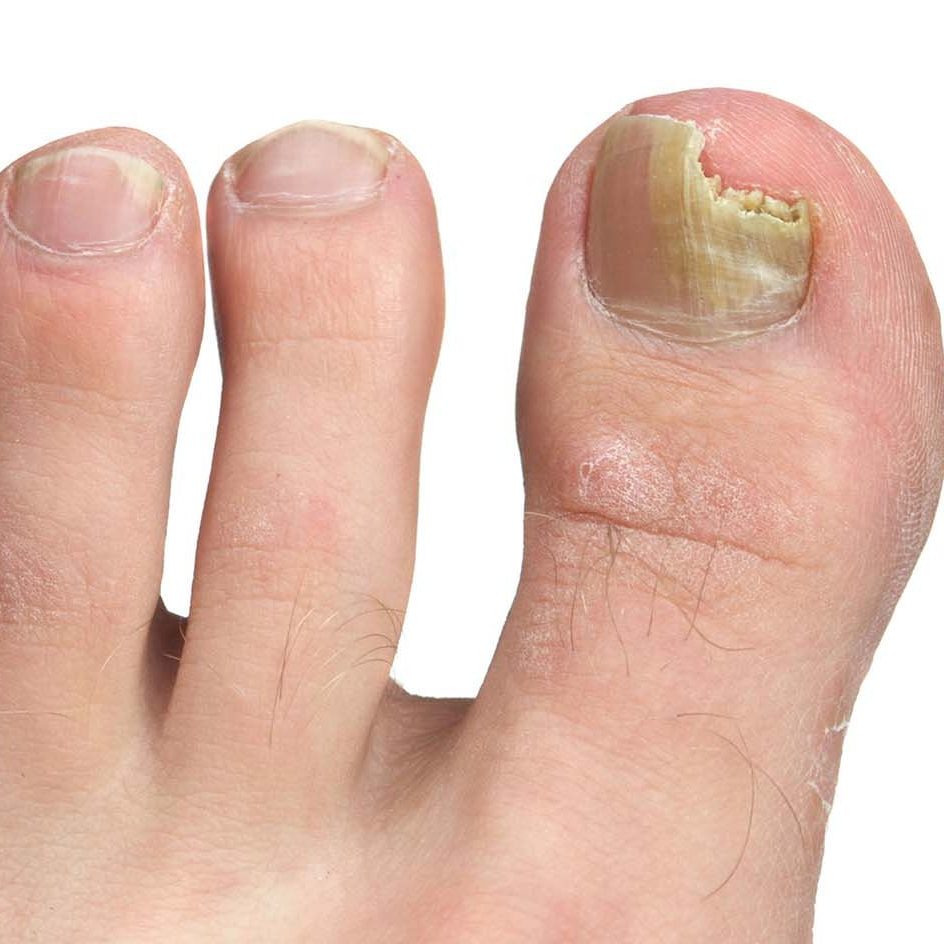
The nail may become brittle and crumbly. The whole nail can sometimes lift off, causing the skin around it to become swollen and painful.
Preventing fungal nail infections
You can get a fungal nail infection if your feet are constantly warm and damp.
You're more likely to get an infection if you wear trainers for a long time and have hot, sweaty feet.
There are some things you can do to help prevent fungal nail infections.
Do
- treat athlete's foot as soon as possible to avoid it spreading to nails
- keep your nails short
- keep your feet clean and dry
- wear clean socks every day
- wear flip-flops in showers at the gym or pool
- wear shoes that fit well and do not have high heels or narrow toes
- throw out old shoes
Don’t
- do not wear shoes that make your feet hot and sweaty
- do not share towels
- do not wear other people's shoes
- do not share nail clippers or scissors
Why Wearing the Right Footwear Matters!
Your feet work hard for you every single day — give them the support they deserve!
Wearing the right footwear is essential for comfort, safety, and long-term health. Whether you're going for a long walk, running errands, dancing, or simply moving around the house, the right shoes make all the difference.
✔ Choose supportive, well-fitting shoes
Running shoes are often best — they offer shock absorption, stability, and arch support.
❌ Avoid flip-flops and loose slippers
They make you shuffle and don’t support your feet or joints properly.
✔ Look for natural materials
Leather or suede uppers let your feet breathe and adapt to your shape.
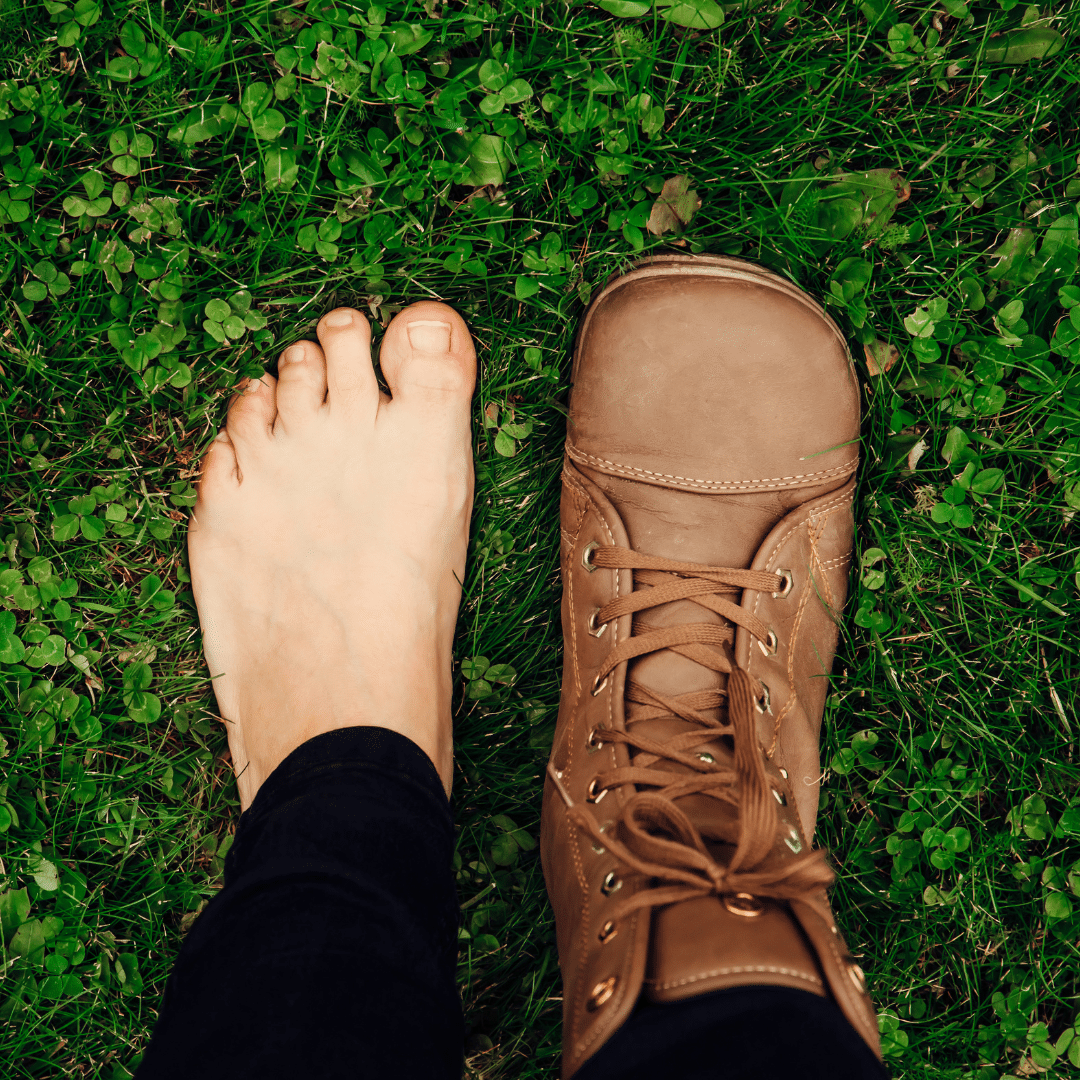
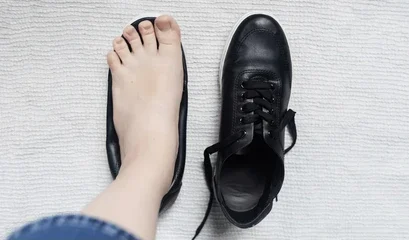
🛍 Shoe-Shopping Tips:
• Buy in the afternoon (feet naturally swell).
• Look for a fastening (laces, buckle, Velcro).
• Fit the larger foot if one is slightly bigger.
• Leave 1 cm space at the toes.
👉 Remember: Wear the right shoe for the activity. Your feet will thank you!
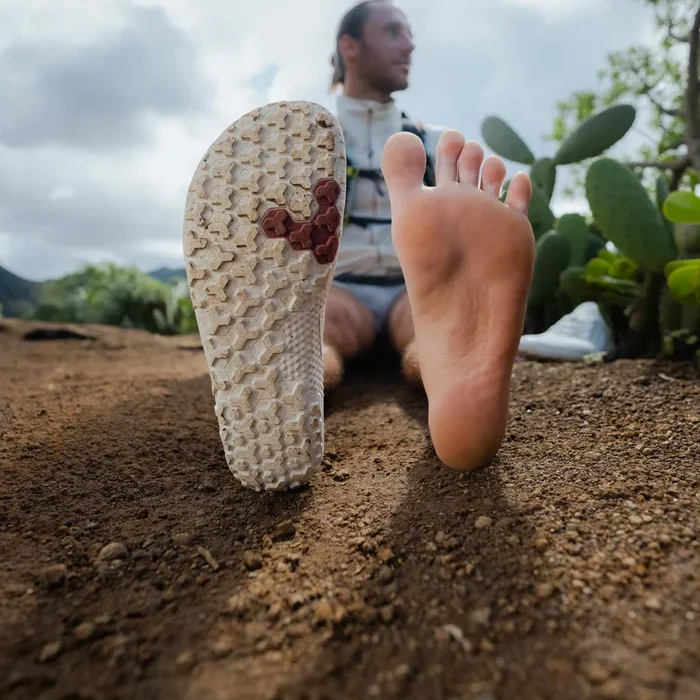
Essential Steps for Effective Sterilisation and Disinfection of Foot Health Practitioner Tools
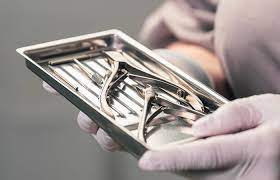
As foot health practitioners, maintaining the highest standards of hygiene is paramount to ensuring patient safety and effective treatment. The sterilization and disinfection of tools used in foot care involve a multi-step process that begins with pre-cleaning. This initial step is crucial as it removes visible debris and organic material, making subsequent sterilisation more effective. Practitioners must ensure that all instruments are thoroughly cleaned before they undergo any high-level disinfection or sterilisation methods.
Following pre-cleaning, a highly effective sterilisation method such as autoclaving is employed. Autoclaving utilises pressurised steam to achieve temperatures that completely eradicate all microorganisms, including bacterial spores, which are notoriously resistant to conventional cleaning techniques. This method is considered the gold standard in sterilisation for healthcare environments and is essential in preventing cross-contamination during foot health treatments.
Incorporating rigorous sterilisation protocols not only protects patients but also upholds the professional standards of foot health practitioners. Adherence to these methods not only ensures client safety but also reinforces trust in the care provided. Regular training and updates on sterilisation techniques help practitioners stay informed and maintain compliance with health regulations, ultimately fostering a safer environment for both clients and practitioners alike.
Pre-cleaning and disinfection
- Manual cleaning: Before any sterilization, all reusable instruments must be hand-cleaned to remove visible debris and organic material.
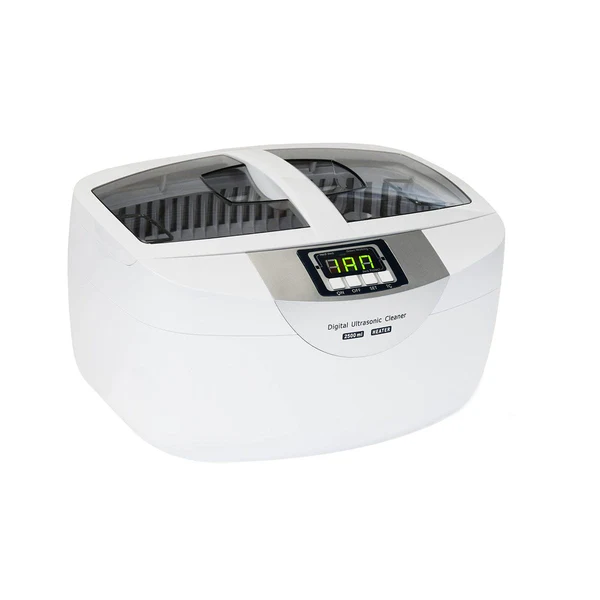
- Ultrasonic cleaning: Following manual scrubbing, instruments are often processed in an ultrasonic cleaning bath.
- Soaking: For instruments that cannot be autoclaved immediately, soak them in a disinfectant solution.
Sterilization
- Autoclaving (Steam Sterilization): This is the gold standard for foot health and is mandatory for many practitioners.
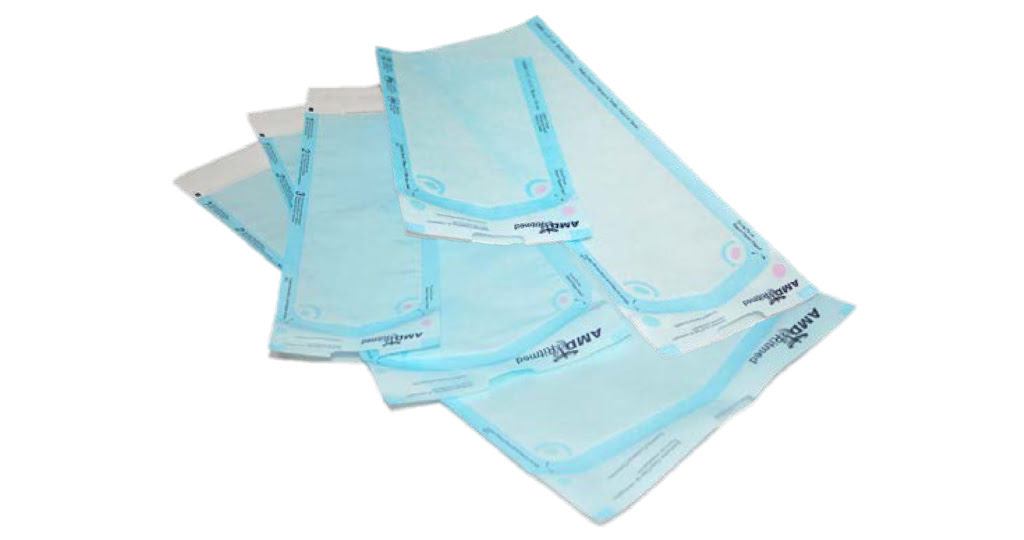
- Instruments are placed in autoclavable pouches and sealed.
- The pouches are then placed in a tabletop autoclave and sterilized using high-pressure steam, typically at temperatures between 134-137 degrees Celsius for a specific duration
- Other sterilization methods: While autoclaving is preferred, other methods exist for critical devices, such as dry heat, ethylene oxide, and hydrogen peroxide gas plasma, though their use may depend on instrument compatibility.
Packaging and storage
- Once an instrument is sterilized, it is stored in a sterile, sealed pouch to prevent re-contamination.
- The instruments remain in their sealed pouches until they are ready to be used on a client.
- If a pouch is damaged or the instrument hasn't been used, the sterilization process must be repeated.
Monitoring and maintenance
- Regularly check sterilization equipment performance with daily and weekly tests.
- Inspect instruments for wear and tear, such as rust, blunt edges, or dullness, as damaged instruments should be discarded, as sterilization cannot mend them
Enbio Pro Autoclave: Sterilise with Confidence!
Maintaining Composure in Challenging Situations
The Enbio Pro autoclave stands out as an essential tool for foot health practitioners, emphasizing quality and precision in sterilisation processes. Ensuring that all instruments are thoroughly sanitised is crucial in maintaining high hygiene standards, essential for clients safety and effective treatment. The Enbio Pro not only meets rigorous quality benchmarks but also offers user-friendly features that simplify the sterilisation workflow. With its reliable performance and robust build, foot health practitioners can confidently rely on the Enbio Pro to uphold the highest standards of care in their practice.




Prevent Verrucas !!!!
Verrucas, commonly known as plantar warts, are caused by the human papillomavirus (HPV) and often appear on the soles of the feet. As foot health practitioners, we understand the importance of prevention in maintaining healthy feet. To effectively prevent verrucas, it is crucial to adopt a few proactive measures. Firstly, always wear flip-flops or aqua socks in communal areas, such as swimming pools and gym changing rooms, to minimise direct contact with the virus. Keeping your feet clean and dry is essential, as damp conditions can encourage wart growth. Additionally, avoid sharing personal items, such as towels or shoes, which may carry the virus.
Regular foot inspections for any changes, combined with an appropriate foot care routine, can help detect verrucas early and prevent their spread. If you have a verruca, seek advice from a foot health practitioner for effective treatment options and to discuss preventative strategies tailored to your individual needs. By following these simple steps, you can significantly reduce the risk of contracting verrucas and ensure your feet remain healthy and well cared for.
Experience Exceptional Care for Your Feet
Please follow our social media

When it comes to choosing the right socks, avoiding polyester is essential for ensuring comfort and quality. Polyester, while durable, does not provide the breathability that natural fibres offer, which can lead to discomfort during wear. Instead, opt for socks made from high-quality materials such as cotton, wool, or bamboo.
Cotton socks are renowned for their softness and moisture-wicking properties, making them ideal for everyday use. Wool, on the other hand, is excellent for temperature regulation, keeping your feet warm in colder weather while remaining breathable in warmer conditions. Bamboo socks are also gaining popularity, known for their silky feel and inherent antimicrobial properties.
By choosing socks crafted from these natural, breathable fibres, you are investing in better foot health and overall comfort. Quality socks can prevent issues such as blisters and sweaty feet, ultimately enhancing your daily wear experience. Make the switch to natural materials and enjoy the benefits of superior quality and comfort.
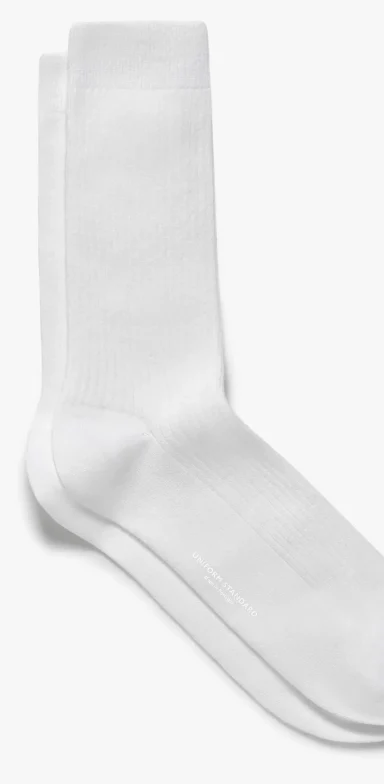
Cotton is a popular choice when it comes to selecting materials for everyday wear. Its natural fibres provide a level of comfort that few other fabrics can match, making it a go-to option for casual clothing. Whether you're lounging at home or out and about, cotton keeps you feeling comfortable throughout the day.
One of the standout features of cotton is its breathability. This quality allows air to circulate around the fabric, helping to keep you cool in warmer weather. Additionally, cotton absorbs moisture effectively, which means it can wick away sweat, leaving you feeling fresher for longer.
Softness is another reason why cotton is highly regarded. The gentle texture of cotton against the skin makes it suitable for a variety of garments, from t-shirts to underwear. When choosing materials for your wardrobe, opting for cotton ensures that you enjoy both style and comfort in your everyday outfits.
Step into Comfort: Understanding Sock Materials
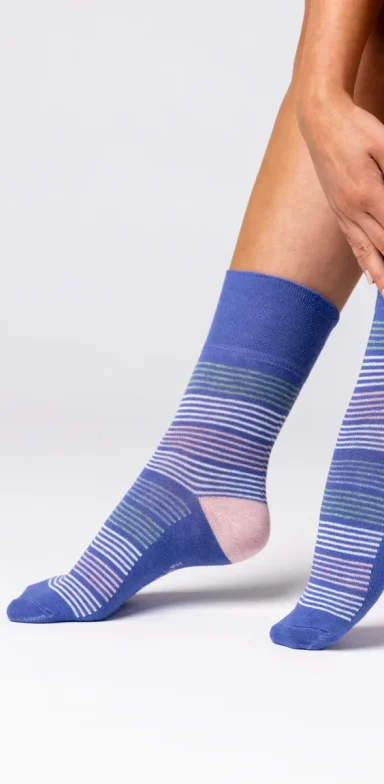
At Happy Feet Mobile, we believe that the foundation of great foot care starts with the right socks. Choosing the right sock material can make a progressive difference in comfort and foot health. Our range features various materials that cater to every need. From the breathable softness of natural fibers like cotton and wool to the durable resilience of synthetic fibers such as nylon and polyester, we ensure that your feet are pampered and protected. Blends of these materials offer the best of both worlds, providing comfort and support for all-day wear.
Natural Fibers: The Eco-Friendly Choice
Natural fibers like cotton and wool are known for their breathability and moisture-wicking properties. Cotton socks are perfect for casual wear, allowing your feet to breathe while keeping them dry. Wool, on the other hand, provides warmth and insulation, making it ideal for colder weather. At Happy Feet Mobile, we prioritize eco-friendly options to guarantee your feet feel good and our planet stays happy.
Synthetic Fibers: Engineered for Performance
Synthetic fibers such as nylon and polyester are typically used in performance socks for their durability and elasticity. These materials are designed to provide better fit and support, especially for those who lead an active lifestyle. With moisture-wicking capabilities, they help keep your feet dry and comfortable, making them perfect for workouts or long walks. Trust in Happy Feet Mobile to provide socks that meet the demands of your active lifestyle.
Blended Materials: The Perfect Balance
Blended sock materials combine the best attributes of natural and synthetic fibers, ensuring both comfort and practicality. This blend often results in a sock that is durable, comfortable, and able to retain its shape after multiple washes. Whether you're lounging at home or on the go, Happy Feet Mobile's blended socks will offer you the support you need, embracing progressive foot care that adapts to your lifestyle.
Choosing the Right Socks for You
At Happy Feet Mobile, selecting the right sock material is crucial for maintaining foot health. Consider your daily activities and personal comfort preferences when choosing between natural, synthetic, or blended options. Our expert team is here to guide you in finding the perfect socks that prioritize your comfort and health, ensuring your feet stay happy and vibrant.